Everything I Know About Perfume, I Learned From Wine

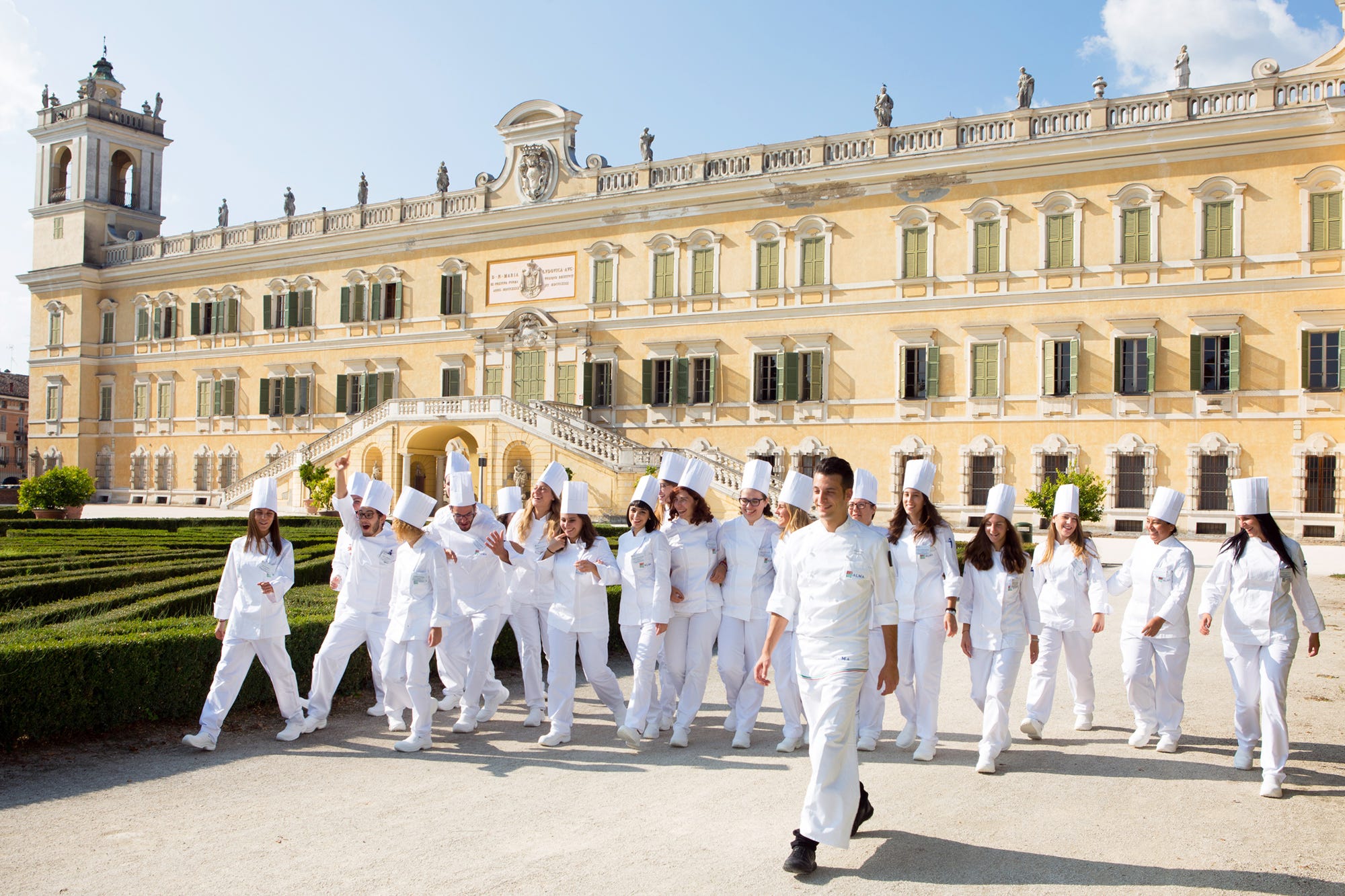
I learned about terroir during culinary school in Central Italy under instruction of a sommelier named Matteo Pessina.
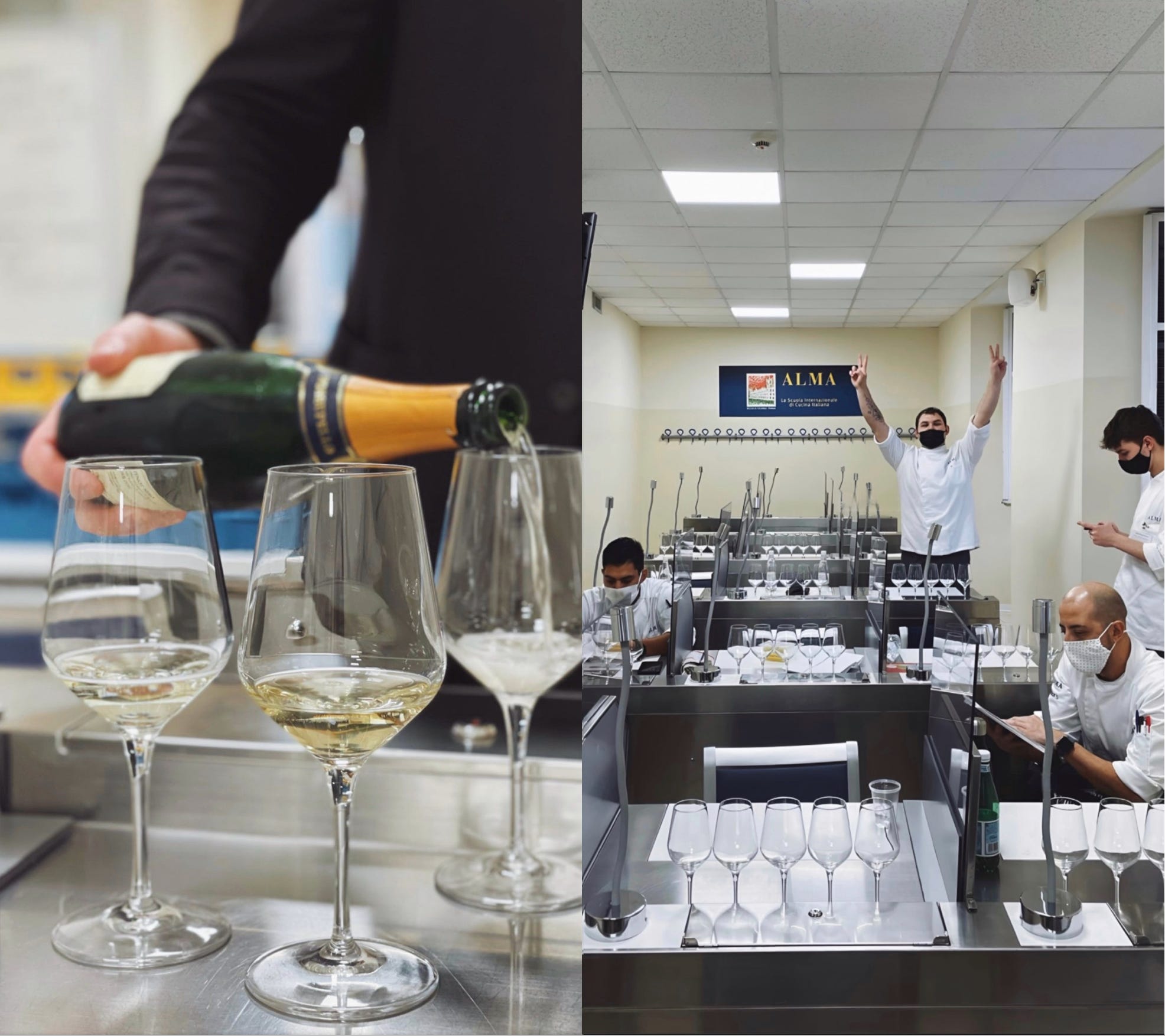
The tasting room on the second floor was always set up with intent: five-or-so bottles on the front desk, some on ice, others at room temp. Before we began, Prof. Pessina would unfurl a retractable map of wine regions and call a student forward to open the first bottle, pour us each a glass, pass them around.
Our desks had an unusual feature: drawers that, when opened, revealed a drain with a button to flush it with water. The idea was that we could taste and discard without getting tipsy, preserving our analytical clarity.
Of course, we drank all the wine anyway.
In viticulture, terroir describes how climate, soil, altitude, and production process combine to give the same grape a distinct expression:
A Pinot Grigio from Friuli and a Pinot Grigio from California are, technically, the same grape, but emphatically not the same wine.
Pessina’s lesson crystallised months later, touring a cantina, where the producer presented something unexpected: an oxidised white wine, a production accident he’d bottled and named Lo Sbagliato, “The Mistake.” Acidic, with butterscotch notes, where his standard offering was floral and herbaceous.
I bought a bottle to pair with my final exam dessert: panna cotta filled with candied pears & white-chocolate covered oats. My pairing made sense because I understood the wine not as a failed Erbaluce, but as a distinct material with its own compositional logic.
I didn’t realise it at the time, but culinary experience would become the foundation of how I’d understand perfumery.
Patchouli is patchouli, right?
A single material with a single profile: dark, earthy, forest floor. One generalisation covers everything from drugstore cologne to niche perfume.
Reality is more complex.
Patchouli has genuine terroir. Sri Lankan patchouli carries a different profile entirely from Indonesian patchouli. And that’s only the beginning.
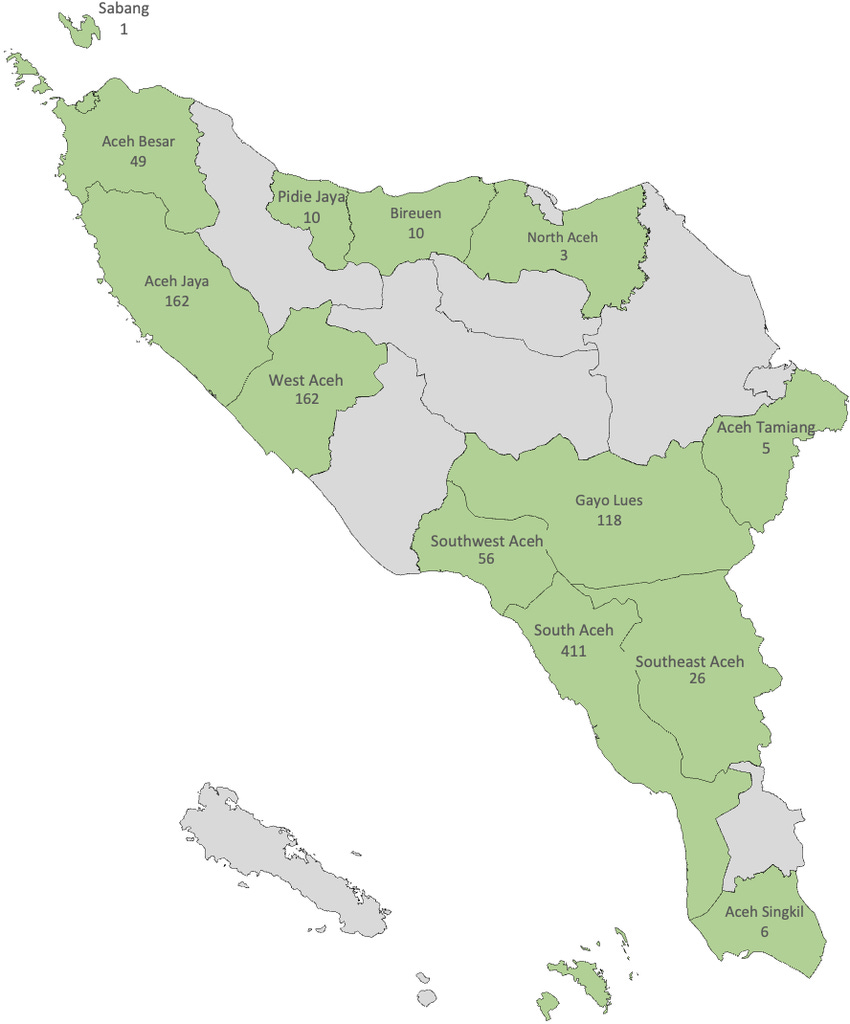
Indonesia’s Aceh province alone is responsible for 70% of the world’s patchouli supply. It’s an established production centre with hundreds of distilleries, each making distinct choices about how to process the same crop.
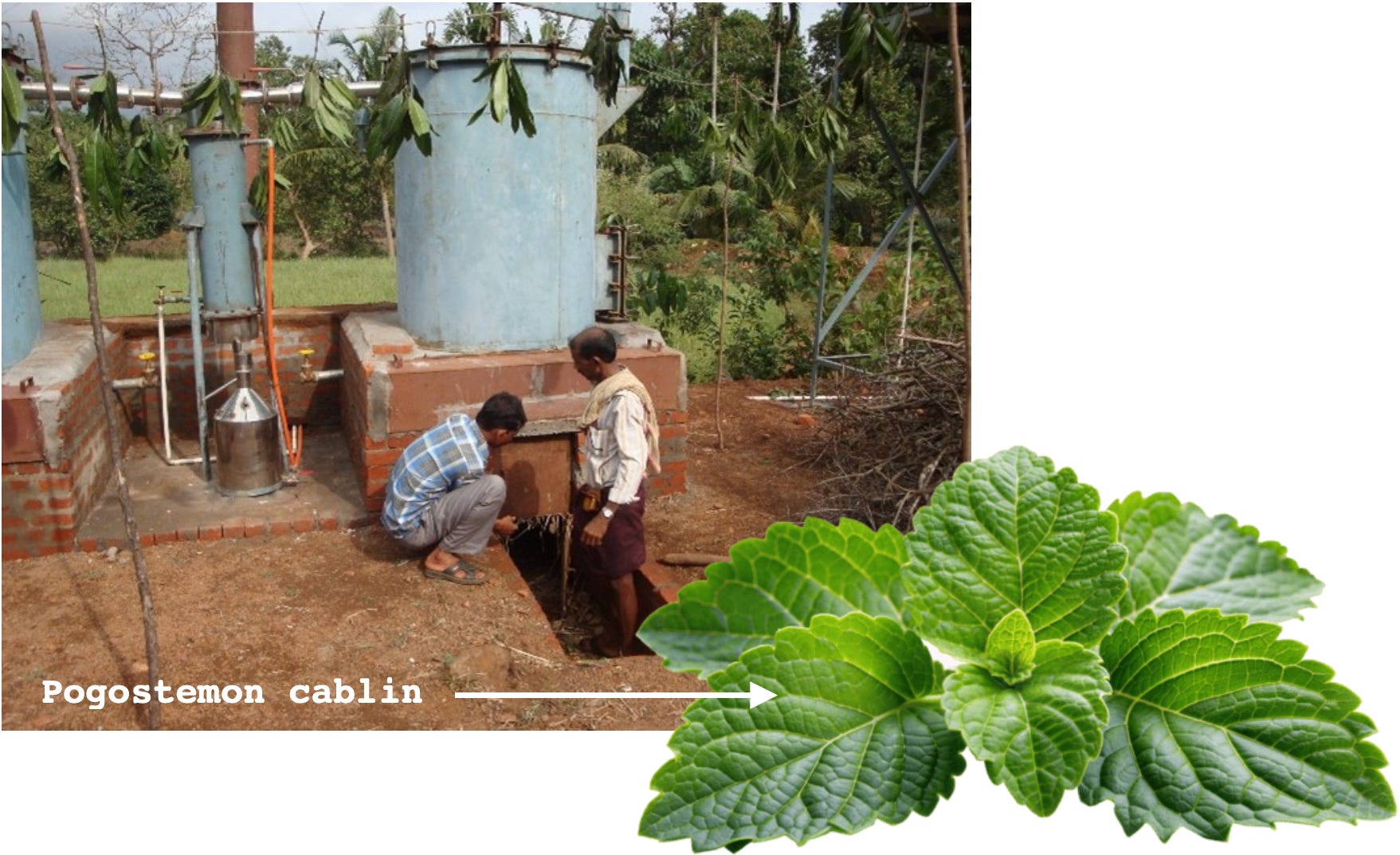
Within Aceh, different distillation methods reshape the material:
Patchouli “Dark” = iron distilled: PA 30%
dark, earthy root-beer
Patchouli “Light” = stainless steel distilled: PA 30–40%
damp, waxy mildew
Patchouli “Heart” = molecular distilled: PA 50-60%
clean, fresh and luminous
All three processes pursue the same goal: increasing patchoulol (PA) content, the active compound that gives patchouli its identity. But each method leaves a different imprint on the final material. The distillation process doesn’t just refine the compound—it reshapes the profile.
This principle—that the same raw material, processed differently, becomes something fundamentally different—appears throughout perfumery.
It’s not unique to natural products.
Let’s look at a group of chemicals called ionones.
These share a superficial resemblance: violet, soft fruit, powdery blueberries. But they’re not interchangeable.
α-ionone: powdery violet-orris
β-ionone: red-berry, woody & fruity
β-methylionone: floral, violet-leaning tobacco
γ-dihydroionone: dusty tobacco & ambergris
etc. etc.
But the variation doesn’t stop there. Which supplier you source from affects purity, which affects profile.
The difference isn’t subtle once you know it, and has real compositional consequence. Reaching for the wrong ionone or buying from the wrong supplier can pull the fragrance somewhere you don’t want it to go.
What This Means:
A notes list that reads “patchouli” tells you almost nothing. It doesn’t communicate which distillation, origin, what the material is doing alongside neighbouring components. The word is a placeholder for a decision made at a level marketing ignores entirely.

Prof. Pessina taught me that understanding a wine meant understanding which grape, which expression of the terroir, and—crucially—how to pair it. When I encountered “Lo Sbagliato,” the lesson wasn’t “accidents happen.” It was: this material requires different logic than the standard version.
It demanded to be paired differently.
Once I understood a perfumer’s job was selecting not just what material to use, but which version of them, my sommelier training translated into fragrance understanding.
→ Terroir isn’t a metaphor borrowed loosely from wine. In perfumery, it’s a working reality that shapes every formula. And learning to see it, to compose with it intentionally, is the same skill, whether over a wine glass or a perfumer’s organ.